
Russian & Turkish Baths
Editorial review, practical details, and booking context from Dip.
The Verdict
Open since 1892, still operating the same core experience. The primary text for everything the new bathhouses are drawing from, and better than most of them.
The Dip Review
The Russian & Turkish Baths has been operating on the same block of East 10th Street since 1892, which means it has outlasted roughly four complete reinventions of the neighborhood around it. The interior has accumulated something no design budget can buy: the specific quality of a space that has been continuously sweated in for over a century. The granite room is the center of everything. Volcanic rocks, dense dry heat, a low ceiling that concentrates the steam into something that feels more like weather than a spa service. The platza, an oak-leaf scrub performed by an attendant who has done this thousands of times, is the defining experience and the reason to plan your visit around getting a slot.
The facility is not what wellness marketing would call immersive. The pools are utilitarian, the changing rooms are basic, and the energy lands somewhere between neighborhood institution and lightly organized social club. On coed days the crowd is one of the genuinely eclectic mixes in New York: Russian regulars who've been coming thirty years, NYU professors, hungover 30-somethings from the neighborhood, people who defy categorization entirely. Conversations happen. It can get loud. That's not a defect.
For people who want to understand what communal bathing culture actually was before it became a lifestyle category, the Russian & Turkish Baths is the primary text. Every new bathhouse in this city is drawing on this tradition. Some do it well. None of them are this. Community reviews run lower than our score because the dated facilities and chaotic coed days generate complaints from visitors expecting a modern spa. We're scoring the thermal quality, the platza, and the irreplaceable cultural depth, which is why we rate it among the best in the city. At $60, it's one of the best deals in Manhattan wellness, and the platza is a rite of passage you either get through or spend the rest of your bathing life wondering about.
The Vibe
Unpolished, communal, and completely unselfconscious. The clientele ranges from lifelong regulars to curious newcomers to people who clearly need to sweat out last night. Conversation happens naturally and without performance. This is the opposite of a curated wellness experience.
The Good
- Granite room is one of the most intense steam environments in the city — genuinely therapeutic
- Platza massage is a legitimate rite of passage
- Price is fair for what you're getting — among the most accessible thermal experiences in Manhattan
- The mix of regulars creates authentic atmosphere that newer venues can't replicate
- Walk-in friendly on most weekdays
The Not So Good
- Gender-separated schedule limits coed access to specific days/times — check before going
- Facilities are dated and not particularly clean by modern spa standards
- Can feel chaotic on busy coed days
- No booking system for platza — it's first-come in person
The Details
Facilities
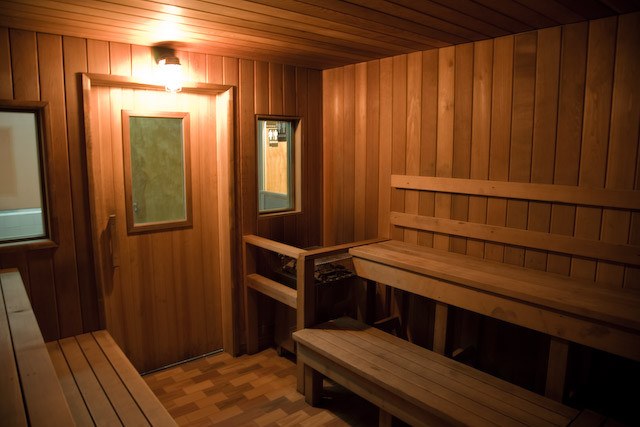
Four key rooms — the Russian steam (granite room), the Turkish bath (wet steam), the sauna, and the outdoor area with cold plunge. The contrast cycle is complete. Platza services are offered throughout the day and worth booking in advance. The café serves basic banya food (herring, borsch, tea). Cold plunge is cold. Hot rooms are actually hot. Nothing is decorative.
Value
At $60 entry, this is among the best value thermal experiences in Manhattan. The platza is a reasonable add-on ($50–$75 depending on session length). The total spend is a fraction of newer competitors with a depth of experience that none of them can match.
Know Before You Go
Pro Move
Go on a weekday, arrive early enough to get a platza slot, and plan for 3+ hours. The experience compounds over time — the first hour is acclimation, the second is when the ritual takes hold.
Not Ideal For
Anyone seeking design-forward aesthetics, couples wanting a romantic evening, first-timers who want hand-holding through the ritual.
When to Go
Weekday mornings are sparse and contemplative — the old regulars' time. Late mornings to afternoons on coed days are the social peak. Weekends bring the most mixed crowd with the most energy. Evening hours quiet down. Sunday coed days are the most dynamic and most crowded.
The Scene
The Russian & Turkish Baths are a living institution — not trending, not declining, simply continuing. They occupy a unique ecological niche as the real-deal alternative to every designed wellness experience in the city. For people who want to understand what bathhouse culture actually was before it became a lifestyle category, this is the primary text.
Who Goes
Genuinely mixed — Russian and Eastern European regulars in their 50s–70s alongside East Village professionals in their 30s–40s alongside tourists who did their research. On coed days the crowd includes couples, groups of friends, and solo visitors. Behavior is direct and unselfconscious — people talk, relax, and engage without the self-monitoring of a trendier space.
Community Sentiment
Beloved by long-term regulars and serious bathhouse enthusiasts. Complaints from newcomers focus on the dated facilities and schedule complexity. The platza treatment generates consistent five-star reviews. Reddit and Yelp treat this as an NYC institution with near-mythic status in the thermal bathing community.
About Dip Scoring
Dip Index is our blended score, combining our editorial assessment with broader community consensus.